Modern Approaches to Classic Poker Games
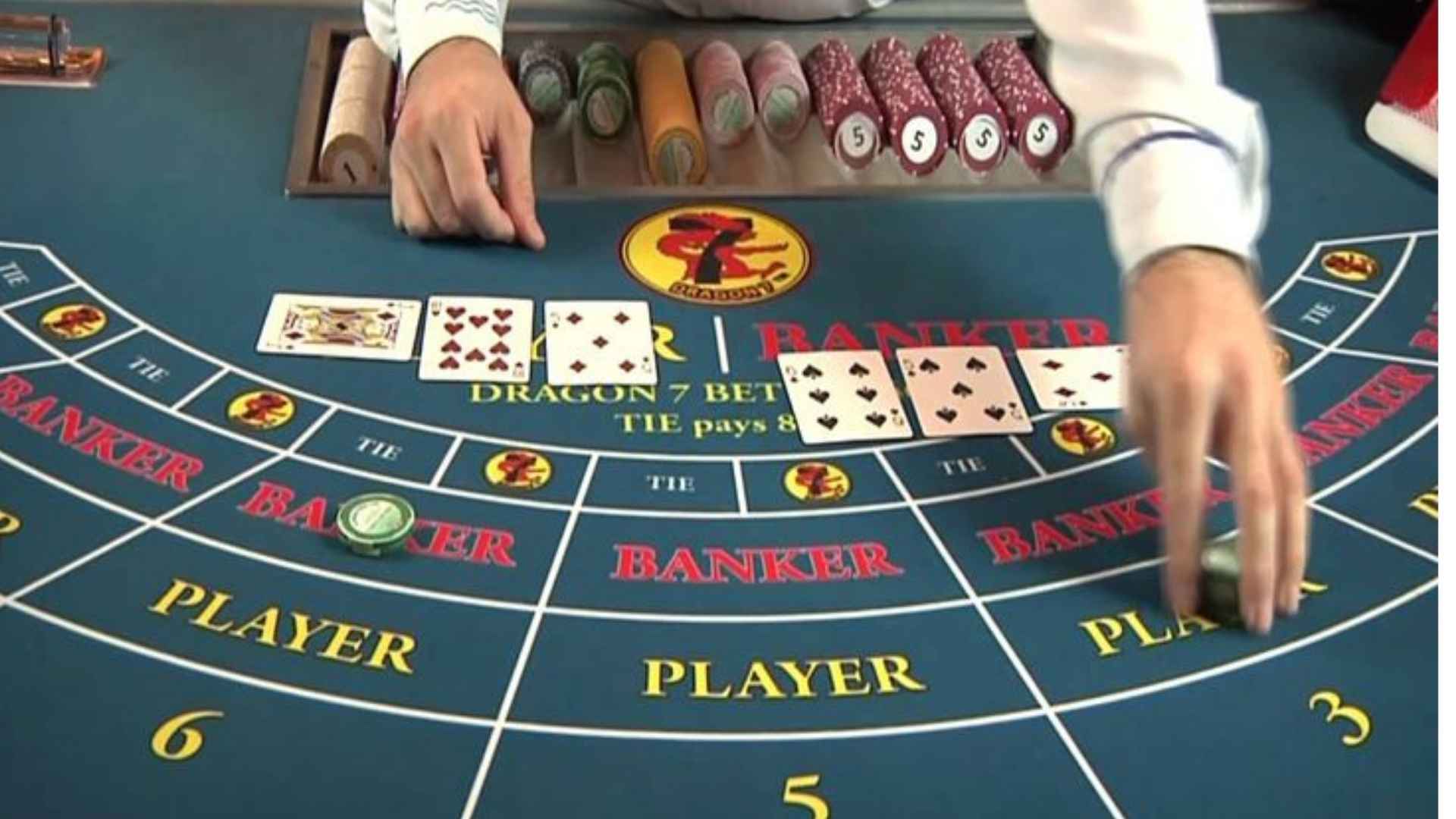
The landscape of classic poker has evolved dramatically with the integration of advanced mathematical models and digital analytical tools. Traditional card rooms are no longer dominated solely by psychological intuition or physical tells. Instead, contemporary enthusiasts utilize sophisticated software to study game theories and improve their long-term decision-making processes.
The Transition to Game Theory Optimal Strategies
Modern players heavily rely on Game Theory Optimal principles, commonly referred to as GTO strategy, to make mathematically unexploitable moves. This systematic framework allows individuals to analyze historical card combinations and establish perfectly balanced betting ranges. By minimizing predictable patterns, competitors can protect their chips regardless of the opponent's individual style.
Implementing these foundational concepts requires a disciplined mindset and an openness to continuous learning. Dedicated training applications simulate thousands of hands per minute to demonstrate the absolute mathematical truth behind every single option. Consequently, mastering this equilibrium-based setup has become essential for anyone aiming to stay competitive in prestigious high-stakes tournaments.
Leveraging Advanced Software and Tracking Tools
The digital era has introduced a massive variety of real-time tracking software and database management solutions. These platforms collect comprehensive statistical data on every participant at the table, highlighting specific behavioral vulnerabilities and tendencies. Reviewing these extensive hand histories after a session allows tactical minds to isolate mechanical weaknesses in their own gameplay.
As technology becomes more deeply integrated into the card community, finding trusted online ecosystems remains a vital step for secure personal development. Players regularly visit recognized hubs like the Link M88 Mansion platform to experience standard variations under secure digital environments. Utilizing such platforms safely ensures that enthusiasts can focus entirely on applying their newly formulated strategic conclusions.
Psychological Adaptation in the Modern Arena
While computer simulations provide the necessary mathematical boundaries, the human element of live competition remains highly relevant. Modern pros have adapted standard psychological observation techniques to counteract tech-savvy adversaries who rely entirely on strict numbers. By intentionally shifting between aggressive and passive modes, players can induce costly errors from rigid mathematical systems.
This hybrid approach demands exceptional emotional control and an acute awareness of shifting dynamics at the table. Recognizing subtle changes in an opponent's sizing or timing often provides the exact clue needed to execute a successful bluff. Merging behavioral observation with raw data calculation is what separates elite modern champions from the rest of the field.
Establishing Strict Capital Safeguards
No contemporary approach to classic variations is truly complete without implementing systematic bankroll management rules. High variance is an inherent part of card games, meaning even the most flawless strategies experience short-term financial downturns. Establishing strict boundaries ensures that a temporary run of poor luck will not entirely deplete a player's capital.
Most elite strategists suggest maintaining a buffer of at least thirty full buy-ins for any specific stakes level. This financial security layer removes emotional anxiety, allowing decisions to be guided solely by logic rather than the fear of losing resources. Over time, financial discipline serves as the ultimate cornerstone for sustainable success in this competitive industry.